Serving San Bernardino, CA and surrounding areas. (909) 515-5170
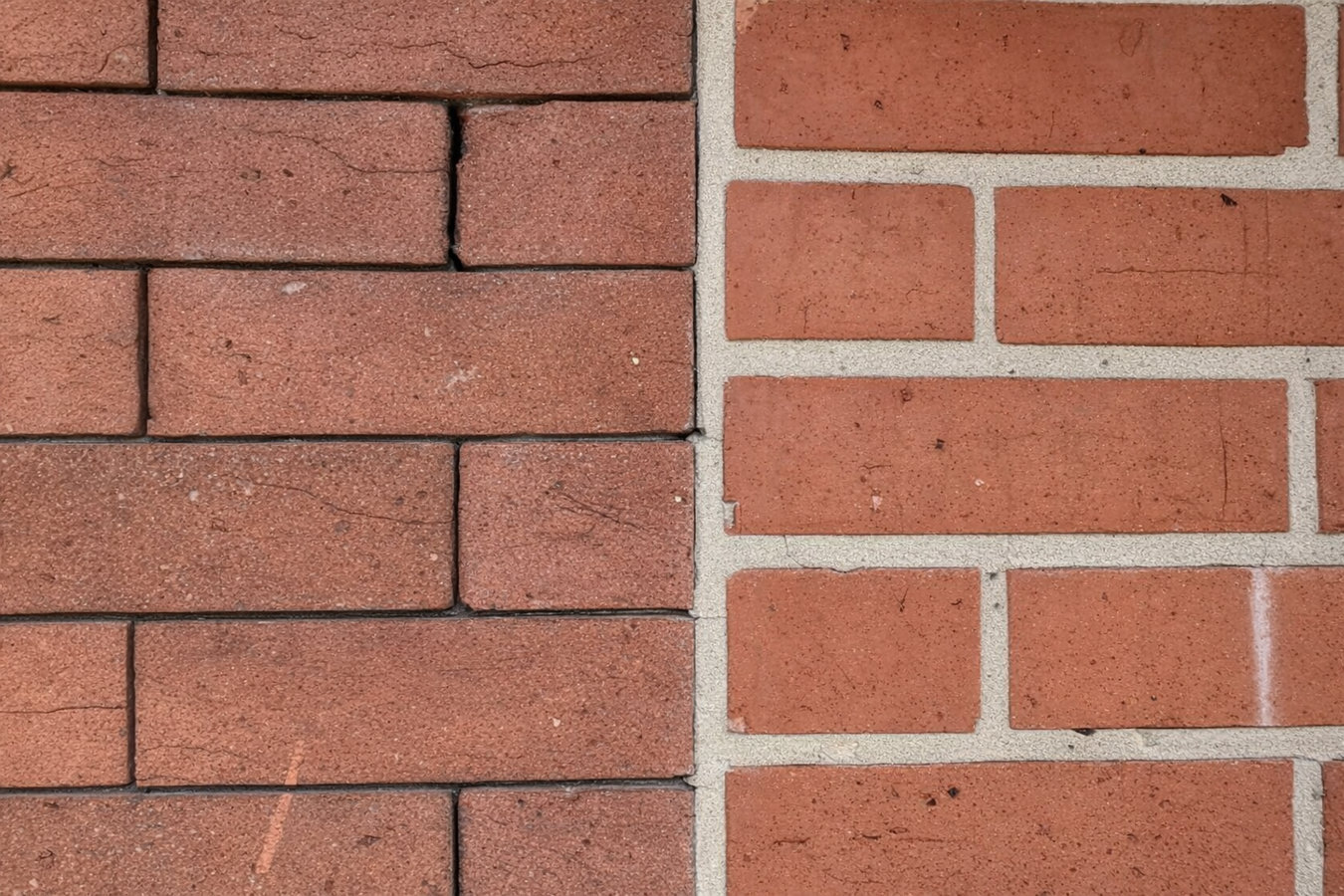
Failing mortar between your bricks is not just cosmetic - it is the main way water gets behind your walls. We remove the old material and replace it with matched mortar suited to this climate.
Brick pointing in San Bernardino removes old, crumbling mortar from the joints between your bricks and replaces it with fresh material - most residential jobs on a single chimney or wall section take one to two days and stop water from getting behind the brick before damage can spread to the wall structure behind it. Most mortar lasts 25 to 30 years under normal conditions, though San Bernardino's extreme UV exposure and triple-digit summer heat can shorten that timeline.
If you own a home in San Bernardino built between the 1930s and 1970s, there is a good chance the original mortar has reached or passed the end of its useful life. That soft, sandy feeling you get when you press on the joints between bricks is one of the clearest signals the work is overdue. Left alone, open joints let water in, and once moisture gets behind brick the damage can spread quietly - staining interior walls, rotting framing, and eventually cracking the bricks themselves. Brick pointing is closely related to foundation repair when water infiltration has been going on long enough to reach the base of the structure.
Catching failing mortar early almost always costs less than waiting. A one-day pointing job on a chimney is a fraction of the cost of repairing water damage that has worked its way into framing or drywall.
These are the warning signs San Bernardino homeowners can check themselves in about ten minutes on a dry day.
Run your finger along the lines between your bricks. If the mortar feels soft, sandy, or comes away in small pieces, it has broken down and is no longer doing its job. In San Bernardino's heat, this kind of surface breakdown can happen faster than homeowners expect - especially on south- and west-facing walls that take the most sun.
Stand back and look at your wall from a few feet away. If you can see dark gaps where mortar used to be, or sections where the joint has recessed more than a quarter inch, water is already getting in. In San Bernardino, even limited winter rainfall can cause significant damage once it finds a way behind the brick.
A chalky white residue on your bricks - called efflorescence - signals that moisture is moving through your wall and carrying mineral salts to the surface. It is not dangerous on its own, but it tells you water is getting in somewhere, and failing mortar joints are the most common entry point. This often appears after San Bernardino's winter rain season.
San Bernardino's summer heat causes building materials to expand and contract significantly between day and night. If you notice new hairline cracks appearing along the mortar joints after a hot summer - especially on walls facing south or west - that is a sign the mortar has lost its flexibility and needs to be replaced before the cracks widen and water finds its way in.
We handle brick pointing on chimneys, exterior walls, garden and privacy walls, retaining walls, and any other brick or block surface where mortar has softened, cracked, or pulled away from the joints. The process starts with careful removal of the deteriorated mortar to a minimum depth of three-quarters of an inch - done by grinder or chisel depending on the joint profile and depth. Skimming new mortar over old material is a shortcut that fails quickly; we remove enough old material to give fresh mortar a proper bonding surface. For older San Bernardino homes built before the 1960s, we match the original lime-based mortar rather than substituting modern harder mixes that can crack the bricks themselves. When the damage has extended beyond the mortar joints into the bricks themselves, our foundation repair and tuckpointing teams handle those adjacent repairs.
In San Bernardino's dry air, we mist fresh joints periodically during installation to slow the curing process - mortar that dries too fast in the Inland Empire heat becomes brittle and starts cracking within a few years. The Brick Industry Association sets the technical standards for mortar depth, mix ratios, and curing practices that guide quality pointing work.
For chimneys where the mortar joints have softened or opened up - the most exposed masonry on any home and the first place water finds its way through to the firebox and flue.
For brick walls on the home exterior where failing joints are allowing water infiltration - especially south- and west-facing walls that take the most UV and heat stress in San Bernardino.
For freestanding brick walls on the property where mortar has deteriorated due to weathering, soil movement, or the freeze-thaw cycles that affect foothill neighborhoods.
For pre-1960s San Bernardino homes where the original lime-based mortar must be matched closely to protect the bricks and maintain the appearance of the original construction.
San Bernardino's combination of extreme heat, low humidity, occasional seismic activity, and an older housing stock creates a set of conditions that most national pointing guides do not account for. Summer temperatures routinely exceed 100 degrees, which means fresh mortar needs to be actively protected from fast drying during installation - not just left to cure on its own. The city also sits near the San Andreas Fault, and even minor ground movement over time gradually stresses mortar joints. Many homes in neighborhoods close to downtown and the Arrowhead district were built before 1960 with softer lime-based mortars that require a specific match - using a harder modern mortar on those homes damages the bricks themselves.
We serve homeowners throughout the region, including Ontario and Pomona, where the same heat and housing stock conditions apply. If your home is in a neighborhood with an active homeowners association, check with your HOA before scheduling work - some associations require written approval when mortar color or finish may differ from the current exterior. We can help you understand what your HOA is likely to require before we start.
We get back to you within one business day. Tell us which walls or areas concern you and roughly how old your home is - that helps us understand upfront whether mortar matching is going to be a factor before we even come out.
We come to your property, walk the exterior, and inspect the mortar joints up close. We check the color and texture of your existing mortar so we can match it as closely as possible. You get a written estimate specifying the area to be pointed and the mortar type - no surprises later.
Before the crew arrives, clear a path along the walls being worked on. The team starts by grinding or chiseling out old mortar - this is the noisiest part. In San Bernardino's dry climate they will mist fresh joints to slow curing. Keep windows on the work side closed to manage dust.
Once mortar is packed and tooled, the crew cleans brick faces and removes equipment. We walk the finished work with you before leaving, show you any damage found beyond the original scope, and confirm the curing instructions - fresh mortar needs 24 to 48 hours before getting wet.
Free written estimate. Mortar matched to your home. Reply within one business day.
(909) 515-5170We inspect the existing mortar before recommending a replacement mix. Older San Bernardino homes need softer, lime-compatible mortars - using the wrong mix on a pre-1960s home can crack the bricks themselves, which is a far more expensive problem to fix.
Our crews mist fresh joints and schedule work during cooler parts of the day in summer, so mortar cures slowly and reaches full strength - not brittle from fast drying. That single step is what separates pointing work that lasts 25 years from work that cracks within three.
We work across the region from Victorville to Temecula, which means we have seen the full range of climate conditions, soil types, and housing stock that affects how pointing work needs to be done here. That local experience is built into every estimate we give.
We follow technical guidance from the Brick Industry Association on mortar depth, mix ratios, and joint tooling. Following established trade standards is what ensures the finished work holds up through years of Inland Empire weather and the occasional ground movement.
Done correctly with the right mortar mix, fresh pointing should last 20 to 30 years. We build every pointing job to hold up through San Bernardino's heat cycles - not just to look clean on the day we finish.
When failing mortar and water infiltration have reached the foundation, our foundation repair team addresses the structural damage that pointing alone cannot fix.
Learn moreTuckpointing uses a two-color mortar technique to give brick walls a sharp, finished look alongside the structural work of replacing failed joints.
Learn moreSpring and fall book fast in the Inland Empire - reach out now to lock in your spot before the summer heat makes scheduling harder.