Serving San Bernardino, CA and surrounding areas. (909) 515-5170
SBD San Bernardino Masonry is a licensed masonry contractor serving Moreno Valley with retaining wall construction, foundation repair, and concrete flatwork repair. We serve homeowners across all parts of the city - from older neighborhoods near March Air Reserve Base to newer streets out in Rancho Belago - and we understand how the valley's clay soils and extreme summer temperatures affect masonry differently here than in coastal Southern California.
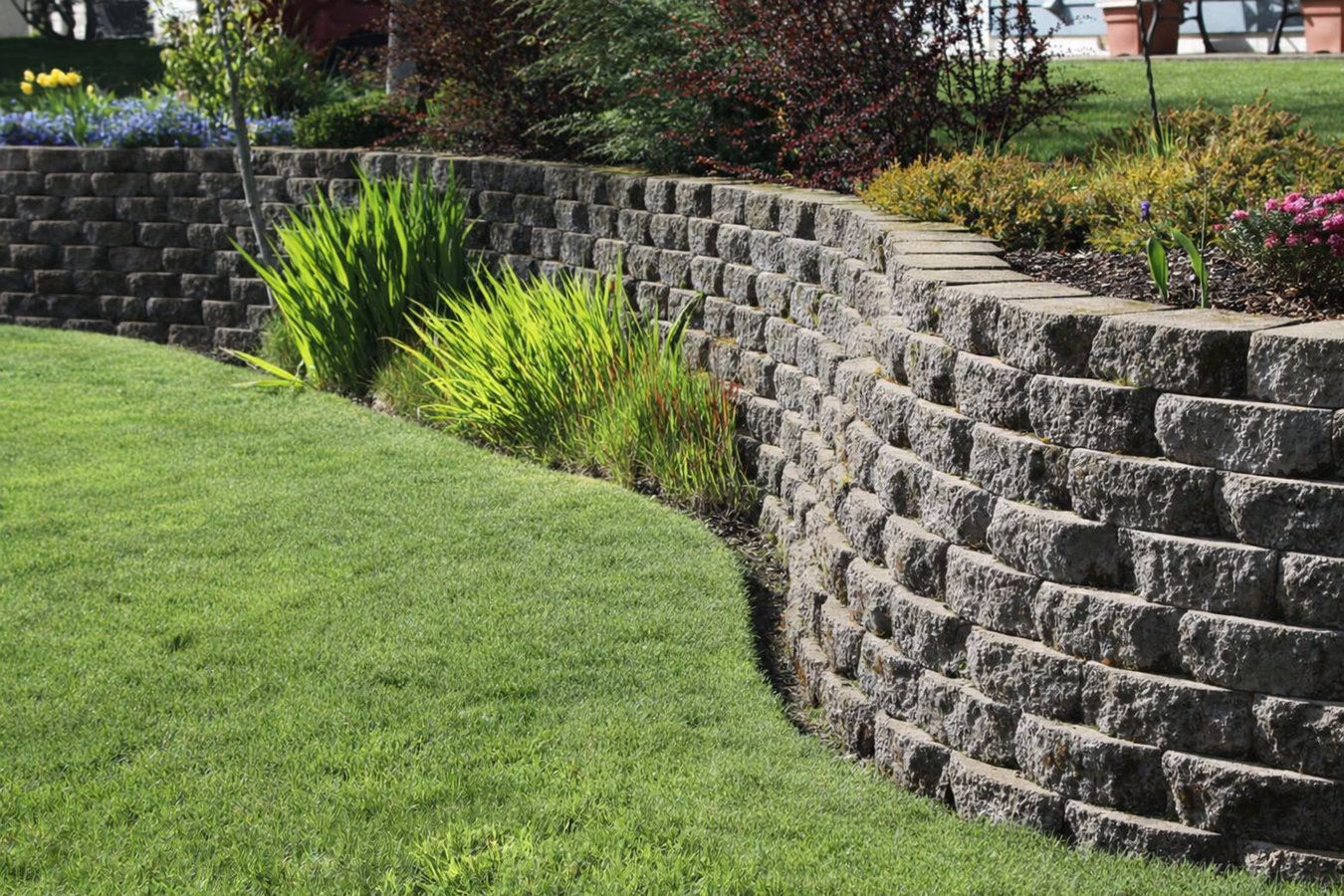
Moreno Valley properties with any slope lose topsoil after heavy rain, and the city's clay soils make that erosion worse over time. A properly drained retaining wall - with deep footings suited to expansive ground - stops that movement and turns a sloped yard into usable outdoor space. To see what that work involves, read about our retaining wall construction service.
Most Moreno Valley homes were built on concrete slab foundations in the 1980s and 1990s. Those slabs have been through decades of clay soil expansion and contraction, and many now show the results - diagonal cracks at window corners, sticking doors, or a floor that tilts slightly in one direction. We diagnose the root cause and repair it to current standards before small shifts become structural problems.
Moreno Valley's clay soils expand in wet weather and shrink in dry stretches, cracking standard poured concrete driveways as the ground shifts. Paver driveways flex with minor soil movement rather than fracturing, and individual sections can be replaced if one area settles unevenly - a practical advantage in a city where the ground moves with every season.
Block walls mark property boundaries on most Moreno Valley residential lots, and once mortar joints fail or sections crack from ground movement, the wall becomes unstable. We rebuild failing block walls and repair cracked sections, using footing depths appropriate for Moreno Valley's moving soil rather than minimum-standard construction.
Moreno Valley summers regularly exceed 100 degrees Fahrenheit, and that sustained heat causes mortar to expand and contract in a cycle that slowly loosens joints. Brick on homes built here in the 1990s is now at the age where spalling and open joints are common. We replace damaged bricks and repoint open joints before water gets behind the wall.
Concrete and paver walkways on Moreno Valley properties face the same clay soil movement that cracks driveways and shifts block walls. When a front walkway heaves or cracks, it becomes both a trip hazard and a first impression problem. We build new walkways - and repair existing ones - with subgrade preparation that accounts for the seasonal ground movement common in this valley.
Moreno Valley sits in a valley surrounded by the San Bernardino Mountains to the north, at around 1,600 feet elevation. That position puts the city squarely in Inland Empire heat territory - summers average over 35 days above 100 degrees Fahrenheit - while also delivering occasional overnight frost in winter. The freeze-thaw cycle that results is a real factor for concrete and masonry here, even though snow is essentially nonexistent. Water gets into small cracks, freezes overnight, expands, and widens those cracks enough for the next storm to make things worse. On top of that, the valley sits on clay-heavy soils that swell with winter moisture and shrink during the long dry summer. That cycle repeats every year and is the main driver of cracked driveways, shifting block walls, and settling slab foundations across the city.
The housing stock adds its own complexity. The bulk of Moreno Valley's homes were built between 1980 and 2005 - fast-growth tract construction designed for affordability rather than longevity in demanding Inland Empire conditions. Most are single-story or two-story ranch and suburban-style homes with stucco exteriors, tile roofs, and concrete flatwork. That original flatwork, now 20 to 45 years old, is reaching the end of its practical lifespan at exactly the same time it has been subjected to decades of soil movement, extreme heat, and Santa Ana wind events. A contractor who treats these properties like generic Southern California jobs - without factoring in the clay soil, the temperature range, and the age of the materials - will deliver repairs that fail before the next rainy season.
We pull permits through the City of Moreno Valley Community Development Department for retaining wall and foundation work in this city. Moreno Valley's permit requirements for walls on sloped lots can kick in at lower heights than homeowners expect, and we know those thresholds from regular work here rather than from guessing.
The city covers a wide area, and the neighborhoods look different depending on where you are. The older western side of town, near March Air Reserve Base, has the city's earliest housing stock - smaller lots, ranch-style homes, and concrete that has been through more seasons of movement than the newer parts of town. The Sunnymead corridor is a mix of older commercial and residential buildings where brick and block repair come up often. Out east in the Rancho Belago area, the larger two-story homes from the 2000s are hitting the window where driveways, block walls, and exterior flatwork all need attention around the same time. Near Lake Perris State Recreation Area to the south, lots tend to have more grade variation than the valley floor, which makes retaining wall work common in those neighborhoods.
We also regularly serve homeowners in neighboring Corona to the west and Riverside to the northwest, both of which share many of the same clay soil and climate conditions as Moreno Valley.
When you call, we ask a few basic questions about what you are seeing and where on the property. We respond within 1 business day and schedule an on-site visit - masonry and concrete problems in Moreno Valley cannot be diagnosed accurately from a description or photo alone.
We walk the affected areas with you and explain what we are finding in plain terms. The written estimate we leave with you breaks down labor, materials, and any permit costs - so there are no surprise additions once work begins. We answer cost questions at this stage.
If the job requires a permit, we handle the application with the City of Moreno Valley. Our crew removes damaged material, prepares the subgrade properly for Moreno Valley's soil conditions, and builds or repairs in stages. Most residential jobs here wrap up in two to five days depending on scope.
We clean up the site and walk the completed work with you before leaving. You will know the curing period for any fresh concrete or mortar, what to check after the first rainy season, and you will have the paperwork showing the job was done to city standards.
We serve Moreno Valley homeowners across all neighborhoods - from older blocks near March Air Reserve Base to the newer streets in Rancho Belago. Call us or send a message and we will schedule a free on-site estimate within 1 business day.
(909) 515-5170Moreno Valley is one of the largest cities in Riverside County, with a population of around 210,000 people. The city grew rapidly in the 1980s and 1990s as affordable housing drew families from Los Angeles and Orange County, and that growth created a large, relatively uniform housing stock - mostly single-story and two-story tract homes with stucco exteriors, tile roofs, and concrete driveways. The median age in the city is around 29, which means many homeowners are raising families in their first-owned property and may be encountering masonry and concrete maintenance for the first time. The city has distinct areas: the older western side near March Air Reserve Base, the Sunnymead commercial corridor through the center, and the newer planned communities like Rancho Belago in the east, where larger homes on bigger lots were built in the 2000s.
Moreno Valley sits about 60 miles east of Los Angeles at around 1,600 feet elevation, surrounded by the San Bernardino Mountains to the north and foothills to the south and east. That position creates the valley's distinctive climate - intense summer heat, occasional winter frost, and periodic Santa Ana wind events in the fall. The growing World Logistics Center development on the eastern side of the city and the presence of a large Amazon fulfillment facility reflect the area's ongoing economic activity, which keeps the local housing market active. Neighboring Riverside to the northwest and Corona to the west share many of the same housing challenges and are also within our service area.
Expert diagnosis and repair of foundation cracks, settling, and structural damage.
Learn moreProfessional chimney inspection, rebuilding, and repair for safe and efficient operation.
Learn morePrecision mortar joint restoration that extends the life of brick and stone structures.
Learn moreReplacement and repair of damaged, spalled, or deteriorated bricks on any structure.
Learn moreEngineered retaining walls built to hold soil, prevent erosion, and add usable space.
Learn moreComprehensive restoration of aging masonry to its original strength and appearance.
Learn moreCustom fireplace construction using brick, stone, or block for warmth and aesthetics.
Learn moreNatural and manufactured stone veneer installation for interior and exterior surfaces.
Learn moreDurable concrete block wall construction for fencing, landscaping, and structural use.
Learn moreSolid concrete block foundation wall installation built to code and engineered for longevity.
Learn moreCustom outdoor kitchen structures built with masonry for lasting outdoor entertaining.
Learn moreAttractive and durable walkway installation using brick, pavers, or stone.
Learn moreNew brick wall construction for fences, borders, accents, and structural applications.
Learn moreSkilled natural stone installation for walls, columns, facades, and outdoor features.
Learn moreTargeted repointing of deteriorated mortar joints to restore waterproofing and strength.
Learn moreWhether you have a cracked driveway, a leaning block wall, or a sloped yard that needs a retaining wall, our crew knows Moreno Valley properties and is ready to give you a straight answer and a written estimate.